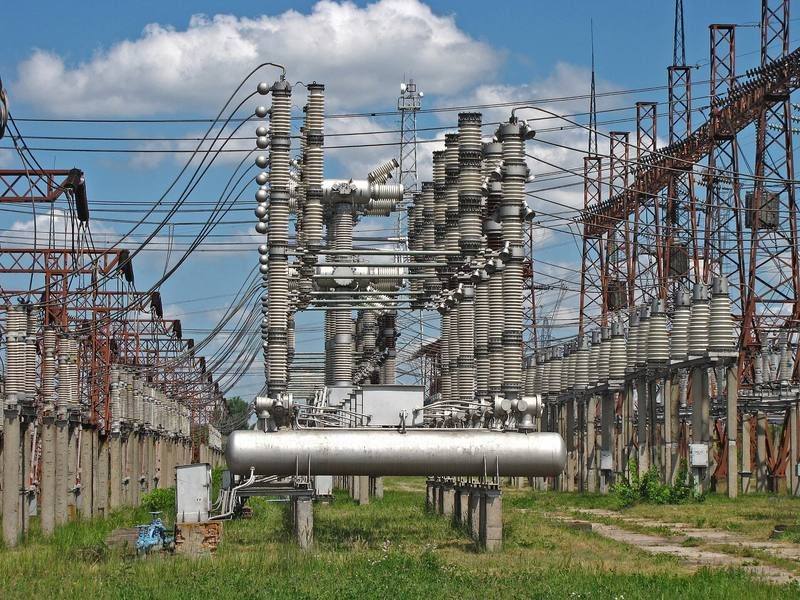
A substation retirement can make transformers and related switchgear available, but the word decommissioned does not by itself establish that every component is isolated, released, or ready for transport. Owners and authorized sellers should identify the specific assets and the project timeline before seeking a purchase offer. We can review available records and safe exterior photographs without requiring new testing. Electrical and fluid work belongs to qualified personnel following site policies and applicable requirements.
Build an asset-by-asset list
List transformers and switchgear with manufacturer, capacity or equipment ratings, voltage, quantity, identifiers, and known condition where available. Separate spares from installed units and note missing accessories or known failures. Define whether cables, structures, foundations, and other non-equipment items are included or excluded. If details are incomplete, identify the gaps instead of combining dissimilar equipment into a single assumed specification.
Confirm authority and interfaces
Establish who owns each offered asset and who can approve its sale; utility-owned equipment or property subject to contracts may require separate authorization. Identify utility interfaces and other systems that may remain in service nearby. The responsible site personnel should determine release status under their procedures. No seller should open energized equipment or assume that shutdown of one circuit makes an entire substation safe.
Plan the release sequence
Share target dates for each asset and identify access limitations, neighboring work, heavy-haul routes, and the available loading area. Qualified electrical contractors must perform isolation and preparation as required by the site. Discuss who arranges rigging, freight, any necessary environmental evaluation, and restoration. If equipment becomes available in phases, reflect those phases and dependencies in the proposed transaction rather than promising one pickup date.
Use available documentation
Existing nameplate photos, maintenance records, fluid reports, drawings approved for release, and equipment dimensions can help assess a purchase. Match records to the correct unit and mark unknowns clearly. New testing is not required to make an initial quote request, although qualified parties may later determine that additional work is appropriate. Actual interest and pricing depend on the assets, condition, access, documentation, and agreed terms.
Take the next step
Start with an authorized asset list and an honest release schedule. Decommissioning is a coordinated project, not proof that equipment is ready to move. Keep electrical, rigging, and fluid work with qualified contractors and document who is responsible for each step.