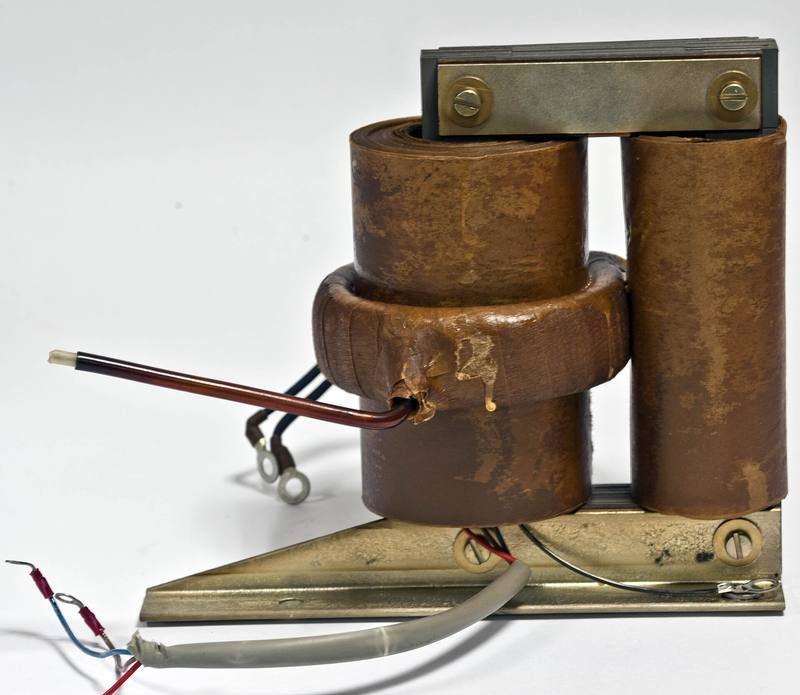
A transformer nameplate provides a useful starting point for identifying equipment offered for sale. Ratings can help distinguish units that look similar but serve very different electrical systems. We use the available information, alongside condition, location, and transaction details, to evaluate potential purchases. Photograph or read a plate only from an authorized, safe position; never open energized equipment or remove covers to obtain a better view. Missing details do not prevent an initial quote request.
Record manufacturer and identification
Share the manufacturer and model or type, and include the serial number if your organization permits its release. The year of manufacture and any asset number can help match a physical unit to existing records. If several units are available, number the photographs or inventory rows so each plate corresponds to the right transformer. Tell us when the plate is missing, damaged, or unreadable rather than filling gaps from memory.
Capture electrical ratings
Look for the rated capacity in kVA or MVA, primary and secondary voltage ratings, frequency, and number of phases where shown. Tap information and impedance may also be useful if clearly visible in existing records or on an accessible plate. Do not alter taps or operate controls to gather information. Copy the units as written and provide a photograph when allowed so uncertain characters can be reviewed.
Note construction and accessories
If the plate or records identify the transformer as liquid-filled or dry-type, include that description, along with cooling information and any available weight or dimensions. Identify separate accessories only when known, such as bushings, cooling equipment, or an enclosure, and note missing items. Not every plate has the same fields, so an incomplete description is acceptable for an initial conversation. Do not remove panels to look for additional labels.
Connect the plate to the sale
A nameplate does not prove that equipment works, establish its ownership, or describe every transport constraint. Add the site's location, known condition, whether the unit is installed or staged, and who is authorized to sell. Share existing maintenance or fluid records if available, but do not commission testing merely to request a quote. Discuss release dates and qualified preparation separately from the equipment identification.
Take the next step
A clear, safely obtained plate photo and an honest description of what is missing can save time. Send the records you already have; an initial quote request does not require opening equipment, conducting tests, or providing every possible specification.