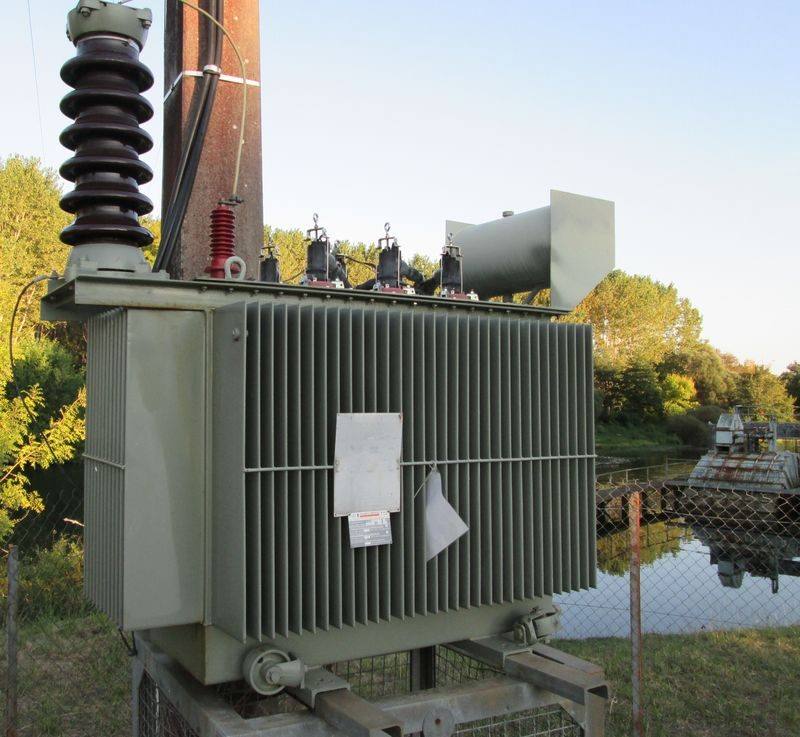
Some transformers contain dielectric liquid, and existing records about that liquid can be important when evaluating a purchase and planning handling. PCB-related requirements may depend on the equipment, its contents, applicable rules, and the facts of the transaction. Sellers should not sample, test, drain, or otherwise handle transformer oil themselves for a quote. We can begin with available documentation, while qualified professionals address any later sampling or other fluid work under site policy and applicable requirements.
Share records already on hand
If available, provide existing fluid analysis reports, sampling dates, equipment identifiers, maintenance history, and any records of leaks or prior fluid handling. Help match each report to its transformer instead of assuming one result represents an entire inventory. Mark missing, old, or uncertain records clearly. We can discuss an initial quote request without a new test, and available documentation does not automatically establish present condition.
Avoid assumptions about PCB status
Do not infer PCB concentration or regulatory status solely from a transformer's age, appearance, or missing label. Labels and historical paperwork may be informative, but their relevance depends on the facts and applicable rules. If the status is unknown, describe it as unknown. Qualified environmental professionals can determine whether additional information or testing is appropriate for the proposed transaction; a seller need not arrange testing just to contact us.
Leave fluid work to qualified parties
Do not open equipment, take samples, drain liquid, or attempt to stop a leak as part of preparing a quote request. Report a known leak through the site's established procedures and keep people away as directed by site personnel. If inspection, sampling, containment, or cleanup is needed, the responsible party should engage qualified professionals and follow facility rules and applicable environmental requirements.
Agree on responsibility before transfer
Describe whether the transformer is installed or staged and whether any existing records cover the unit's fluid. Before a sale, discuss who is responsible for any required evaluation, preparation, transport documentation, and compliant handling, with allocation stated in the agreement. Purchase interest may depend on documentation, condition, and feasible logistics. A preliminary quote is not an assurance of acceptance or a substitute for environmental advice.
Take the next step
Existing reports can be helpful, but they are not a prerequisite for asking us about a transformer. Keep unknowns clearly labeled, do not handle oil or open energized equipment, and use qualified professionals for any fluid-related work and regulatory questions.