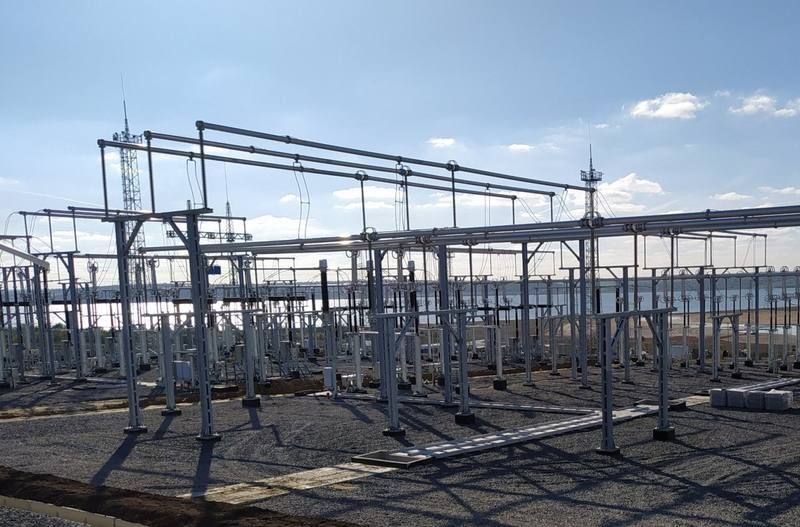
Identify your autotransformers in Stillwater
If you have a surplus or used autotransformer to sell in Stillwater, we consider buying equipment from owners and authorized sellers. An autotransformer has a shared electrical winding connection between input and output; it does not by itself provide galvanic isolation. A campus upgrade may leave an adjustable unit inside an equipment room; tell us its position and project release date. From a safe position, photograph the nameplate, exterior enclosure, and external controls from a safe position. Record input and output voltage ratings, kVA, phase, frequency, tap or adjustment range, manufacturer, and serial number if legible, and tell us what is missing or not known.
What affects our assessment
We compare the voltage range and capacity with the adjustment method, condition, and likely demand. Fixed and adjustable configurations are not interchangeable descriptions, so tell us which you have if known. Existing drawings and service history can help identify a specialized design, while missing parts can limit a potential offer. For a Stillwater institutional renovation or business project, say whether the unit is fixed or adjustable and any controls are intact, and confirm the owner, availability date, and who can supply the winding diagram, tap or adjustment details, and service history before discussing a sale. You can request an initial quote using information already available; no new testing is required to ask. Later evaluation or applicable rules may require more information or testing before a purchase.
Plan a possible Stillwater pickup
At an occupied property, describe the dimensions and location of the enclosure and any external controls and the entrance and loading space for the transformer and any external controls; note campus activity, pedestrians, events, or contractor sequencing that could affect scheduling. Give the known weight and any constraints on the loading route. Do not operate controls or change taps for the sale; qualified personnel should assess stored energy, isolation, and removal, and the handling plan should reflect the actual construction. Qualified site personnel must handle electrical isolation and disconnection. Loading, rigging, pickup, and freight responsibilities follow the terms agreed for the specific transaction; do not assume a carrier or seller will perform a particular task.
What to send with your request
- Is the unit fixed or adjustable, if known?
- What voltage range and capacity are listed?
- Do campus events or contractors affect access?
Send clear photographs from a safe, authorized location. Your qualified personnel handle electrical isolation and disconnection; we will discuss pickup and freight as part of the agreed purchase.