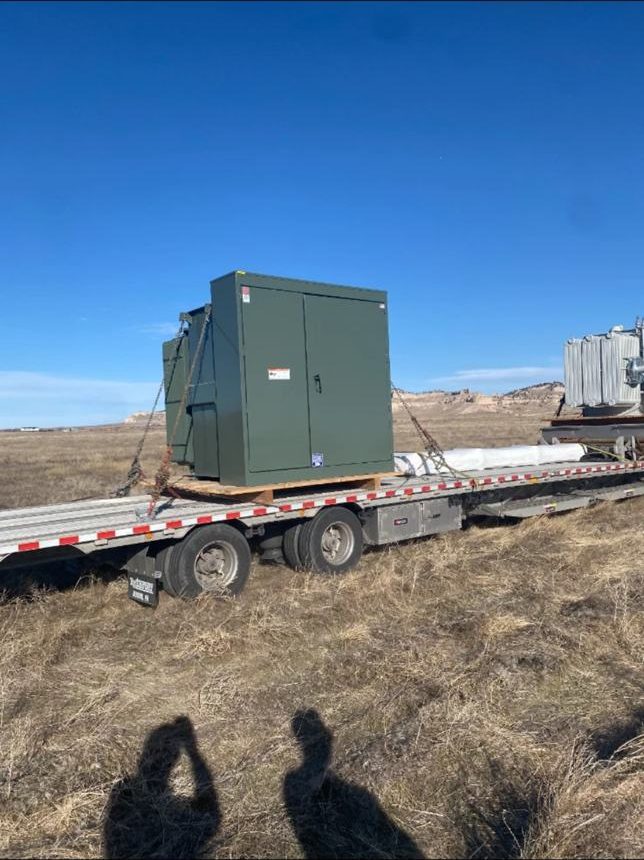
Identify your dry-type transformers in Stillwater
If you have a surplus or used dry-type transformer to sell in Stillwater, we consider buying equipment from owners and authorized sellers. Dry-type designs use air and solid insulation rather than liquid as their principal insulating and cooling medium; enclosure and installation requirements vary. On an active campus renovation, the floor, doorway, and release date may depend on the contractor’s sequence. From a safe position, photograph the exterior enclosure and nameplate, including visible corrosion, impact, moisture exposure, or missing panels. Record kVA, winding voltages, phase, frequency, temperature rise, enclosure rating, impedance, and any stated K-factor if legible, and tell us what is missing or not known.
What affects our assessment
We consider the voltage combination, enclosure, apparent condition, and service history as well as the possible cost of removal. Drawings can help distinguish a general-purpose unit from a specialized design. Missing panels, moisture exposure, or incomplete history can affect the assessment; a nameplate alone does not establish operating condition. For a Stillwater institutional renovation or business project, say whether panels are missing or moisture damage is visible, and confirm the owner, availability date, and who can supply the nameplate details, drawings, and service history before discussing a sale. You can request an initial quote using information already available; no new testing is required to ask. Later evaluation or applicable rules may require more information or testing before a purchase.
Plan a possible Stillwater pickup
At an occupied property, describe the route from its floor through doorways to the loading point and the entrance and loading space for the enclosure and transformer; note campus activity, pedestrians, events, or contractor sequencing that could affect scheduling. Tell us the dimensions, approximate weight, and whether a qualified electrician has already removed it. Keep the enclosure closed and arrange appropriate protection of the enclosure and nameplate with the handling crew and carrier. Qualified site personnel must handle electrical isolation and disconnection. Loading, rigging, pickup, and freight responsibilities follow the terms agreed for the specific transaction; do not assume a carrier or seller will perform a particular task.
What to send with your request
- What are its kVA, voltages, and enclosure rating?
- Is there visible moisture damage or a missing panel?
- Do campus events or contractors affect access?
Send clear photographs from a safe, authorized location. Your qualified personnel handle electrical isolation and disconnection; we will discuss pickup and freight as part of the agreed purchase.