What we look for
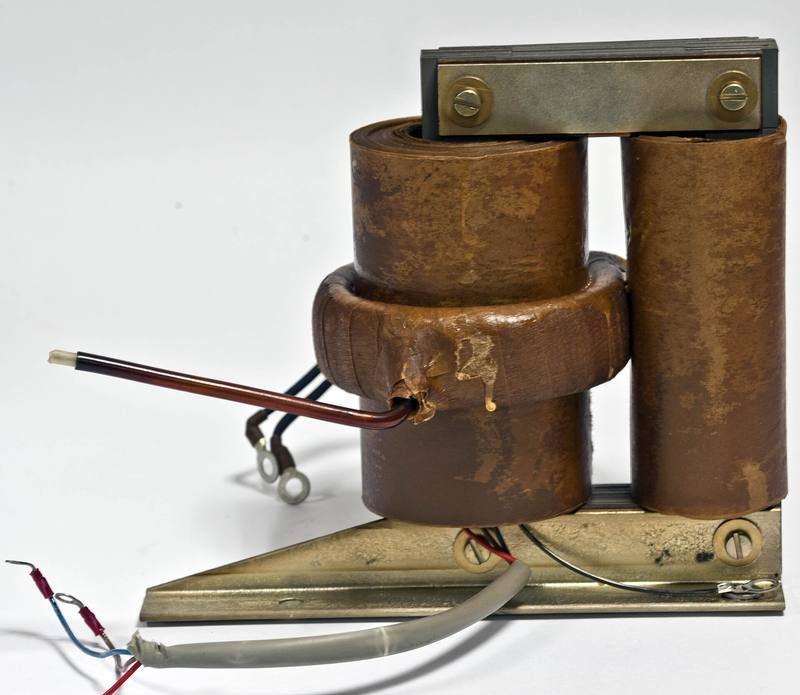
We evaluate used and surplus isolation transformers, which have electrically separate primary and secondary windings for isolation between circuits. Depending on the design, they may provide the same nominal voltage or change it. We consider general-purpose and application-specific units, recognizing that shielding, grounding arrangements, ratings, and enclosure features vary by model.
Identify the equipment
Photograph the nameplate and exterior without opening or touching electrical parts. Note primary and secondary voltages, kVA, phase, frequency, enclosure type, manufacturer, and serial number. If listed, record shielding, temperature rise, impedance, and any drive or medical application designation. Describe visible damage and share existing schematics or service history, rather than assuming a unit meets a particular standard.
A practical pickup plan
Tell us whether the transformer is connected, its location, approximate size and weight, and how it can be reached for loading. Leave electrical isolation and disconnection to qualified personnel; do not open the enclosure for photographs. A suitable crew and carrier should plan handling and secure transport according to the actual equipment and site conditions.
How an offer is reviewed
The nameplate ratings, winding arrangement, condition, enclosure, accessories, available records, and demand for the specific model all affect our assessment. Specialty designs can have a narrower market even when technically useful. Removal and shipping costs also matter. New testing is not a prerequisite for requesting a quote, but later evaluation may be needed.
Equipment applications
- Separately derived power for industrial equipment
- Drive isolation where the transformer is suitably designed
- Isolated power for laboratories or specialized facilities
Have a single unit or a larger package? Send nameplate and overall photographs, plus the Oklahoma pickup location. No testing is required to request an offer.