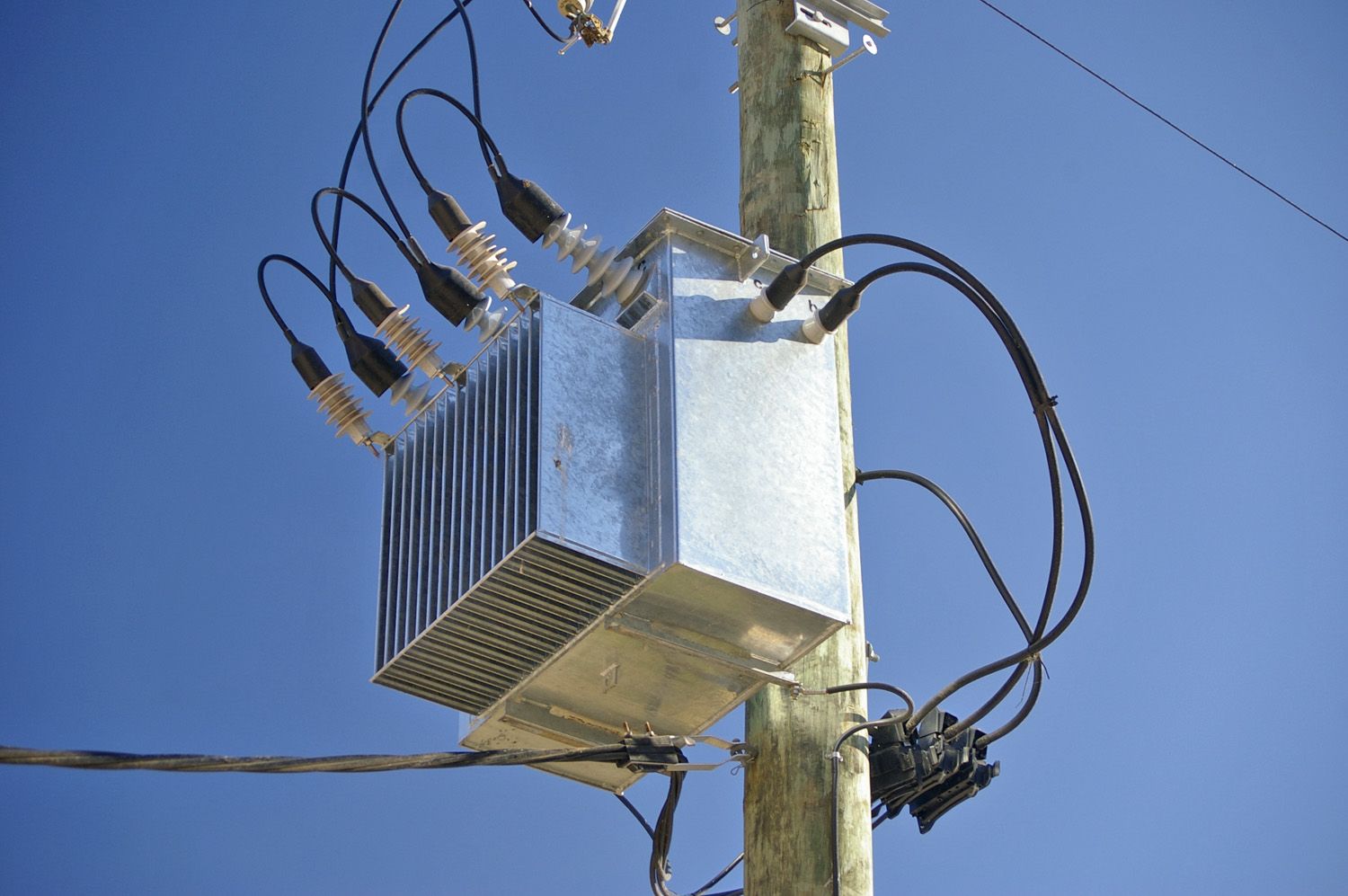
Identify your pole-mounted transformers in Enid
If you have a surplus or used pole-mounted transformer to sell in Enid, we consider buying equipment from owners and authorized sellers. Designed for poles or similar supports, these units can serve overhead distribution; the ratings and construction of each unit determine its potential reuse. On an agricultural property, describe both the location of any mounted unit and the approach to a possible ground-level collection point. From a safe position, photograph the complete unit, nameplate, mounting hardware, bushings, and visible condition from ground level or another safe position. Record manufacturer, kVA, primary and secondary voltages, phase, serial number, and any legible fluid marking if legible, and tell us what is missing or not known.
What affects our assessment
We assess capacity and voltage together with quantity, prior service, condition, and the cost of reaching the equipment. A matching group can have different economics from one unit at an isolated location. Unknown fluid or PCB status may affect eligibility and later handling, so share any records already on hand. For an Enid building, yard, or agricultural property, say whether the units offered have matching nameplate ratings, tell us the prior use if known, and identify who can provide the service history and any existing fluid or PCB records; the property category alone does not establish condition. You can request an initial quote using information already available; no new testing is required to ask. Later evaluation or applicable rules may require more information or testing before a purchase.
Plan a possible Enid pickup
At a yard or agricultural property, the approach and ground may determine access for the pole-mounted units and their mounting hardware. Describe the number of units already on the ground and their known weight, road and surface conditions, and turning room. Specify the total number offered and their mounting locations. Do not climb poles, approach conductors, or attempt to lower equipment; utility or other qualified personnel must plan removal. Fluid and transport requirements must be reviewed before shipment. Qualified site personnel must handle electrical isolation and disconnection. Loading, rigging, pickup, and freight responsibilities follow the terms agreed for the specific transaction; do not assume a carrier or seller will perform a particular task.
What to send with your request
- How many units match in kVA and voltage?
- Are the transformers still mounted or on the ground?
- Can the loading surface support the proposed vehicle?
Send clear photographs from a safe, authorized location. Your qualified personnel handle electrical isolation and disconnection; we will discuss pickup and freight as part of the agreed purchase.