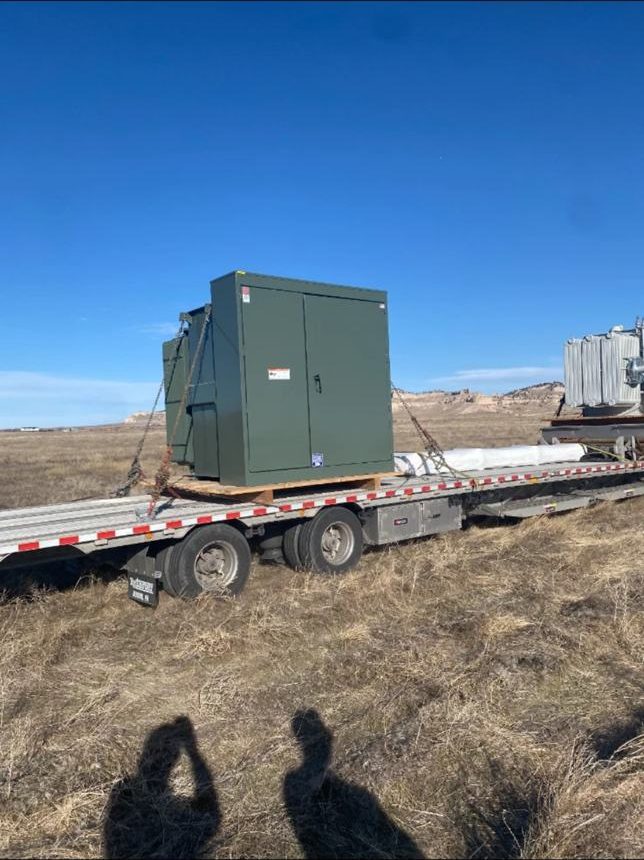
Identify your step-up and step-down transformers in Moore
If you have a surplus or used step-up or step-down transformer to sell in Moore, we consider buying equipment from owners and authorized sellers. These terms describe voltage-conversion direction, not a single construction: the equipment may be dry-type or liquid-filled, and permitted use depends on its design. For a service upgrade, record both winding voltages rather than describing the unit only as a step-down transformer. From a safe position, photograph the complete unit, readable nameplate, enclosure, and any visible damage. Record rated winding voltages, kVA, phase, frequency, taps, impedance, manufacturer, and serial number if legible, and tell us what is missing or not known.
What affects our assessment
We look at the actual winding configuration and previous or intended direction of use, not just a step-up or step-down label. Voltage combination, condition, drawings, and demand influence the review. Where the unit contains liquid, share any existing fluid and PCB information; requirements can affect eligibility and costs. For a Moore service upgrade or redevelopment, distinguish equipment still in the changeout from stored surplus; tell us whether winding voltages and the previous direction of use are documented and whether the winding diagrams, previous application details, and any existing fluid records are available. You can request an initial quote using information already available; no new testing is required to ask. Later evaluation or applicable rules may require more information or testing before a purchase.
Plan a possible Moore pickup
Even near the Interstate 35 corridor, the last stretch into the property matters. Describe the dimensions and approximate weight of the intact transformer, driveway access, customer parking, timing, and available lifting resources for the transformer and any associated accessories. Report whether the unit is still installed and whether its insulation is liquid-filled, if known. Do not change connections or taps. Qualified electrical personnel must assess isolation, removal, and any backfeed risks; liquid-related transport, where relevant, requires a separate compliant plan. Qualified site personnel must handle electrical isolation and disconnection. Loading, rigging, pickup, and freight responsibilities follow the terms agreed for the specific transaction; do not assume a carrier or seller will perform a particular task.
What to send with your request
- What are both rated winding voltages?
- Was it previously used to raise or lower voltage?
- Can loading avoid blocking the occupied business?
Send clear photographs from a safe, authorized location. Your qualified personnel handle electrical isolation and disconnection; we will discuss pickup and freight as part of the agreed purchase.